How Vikram Kumar B R Combined Classical Dance with Academic Research
Indian classical dance is often viewed primarily as a performing art, but its survival also depends on scholarship, historical research and the systematic transmission of knowledge. Vikram Kumar B R, also known as Bathina Vikram Goud, has combined these dimensions throughout his career, developing as both a Kuchipudi artiste and a researcher interested in the traditions and knowledge systems behind classical performance.
His journey illustrates how academic study can complement practical artistic training. Rather than treating Kuchipudi only as a stage discipline, Vikram Kumar has explored its historical, literary and technical dimensions while continuing to work as a performer, choreographer, cultural organiser and institution builder.
Academic Training in Kuchipudi
Vikram Kumar’s formal academic journey in dance took place at Andhra University, where he pursued a Master of Arts in Kuchipudi and completed the programme with distinction.
His university years were significant not only for his personal artistic development but also for his involvement in the institutional growth of dance education. He played an important role in the establishment of the Department of Dance at Andhra University, connecting his individual pursuit of dance with the larger objective of creating structured opportunities for students and practitioners.
This combination of performance and institutional thinking became a recurring feature of his later career.
Research into Thandava Traditions
During his postgraduate studies, Vikram Kumar undertook detailed research into Siva Thandavam and Saptha Thandavam within the Kuchipudi tradition.
The research examined traditional dance concepts while also connecting them with literary material. His dissertation included a comparative study involving the works of renowned poet Puttaparthi Narayanacharyulu.
According to the biographical information provided about his work, the dissertation received 100 percent approval from Andhra University. The research reflects an approach in which classical dance is studied not merely through movement and performance, but through its relationship with literature, history and traditional knowledge.
Research and Performance as Complementary Disciplines
For a classical artiste, academic research can provide a deeper understanding of the material being performed. Historical context can influence interpretation, while knowledge of literature and traditional sources can help performers understand the origins and meanings of their repertoire.
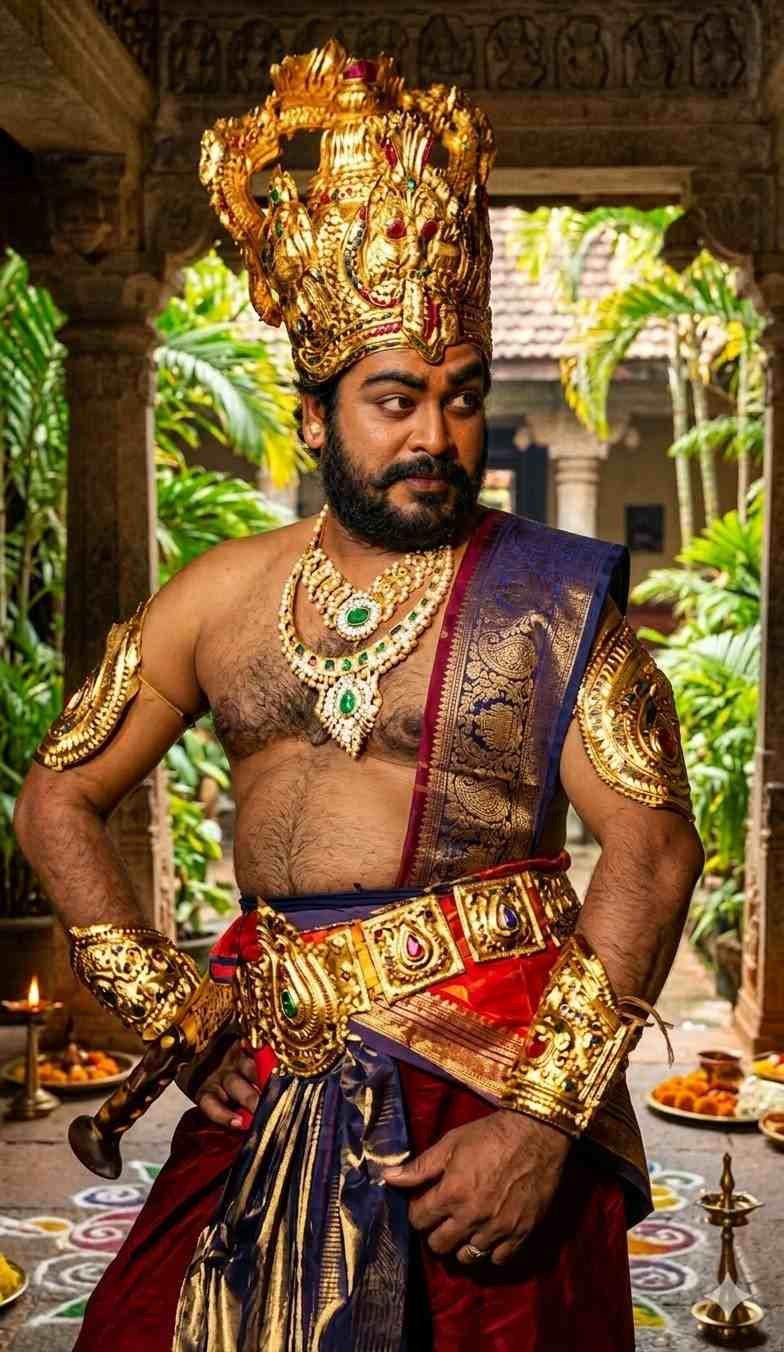
Vikram Kumar’s career has followed this combination of scholarship and performance.
His artistic portfolio includes thematic productions such as Chenchu Lakshmi Narasimha Kalyanam, based on the traditions associated with Lord Narasimha of Simhachalam. The production combines Kuchipudi with traditional folk forms and has been presented at more than 150 venues across India, according to his profile.
He has also developed Swachh Ganga – Swachh Bharat, inspired by Bhagiratha Vilasam, using classical dance storytelling to communicate contemporary concerns surrounding clean water and environmental responsibility.
These productions demonstrate how research and traditional narratives can be transformed into large-scale stage presentations.
Extending Academic Interests into Theatre
Vikram Kumar’s academic interests were not restricted to dance. He also completed Diplomas in Acting and Direction at Andhra University and spent approximately ten years associated with the university’s Department of Theatre Arts.
His theatre experience included mythological, social and philosophical productions. Working across acting and direction gave him another perspective on storytelling, characterisation, stage presentation and dramatic structure.
That experience subsequently supported his work in thematic ballets and choreographic productions, where classical dance is used to communicate stories and ideas rather than functioning only as a sequence of individual performances.
Building Institutions Around Knowledge
Vikram Kumar’s academic orientation also influenced his approach to cultural institution building.
In 2000, he founded the Nataraj Music and Dance Academy (NMDA), an institution dedicated to the promotion and teaching of Indian performing arts. NMDA has worked in areas including Kuchipudi, Indian folk traditions, classical music and cultural festivals.
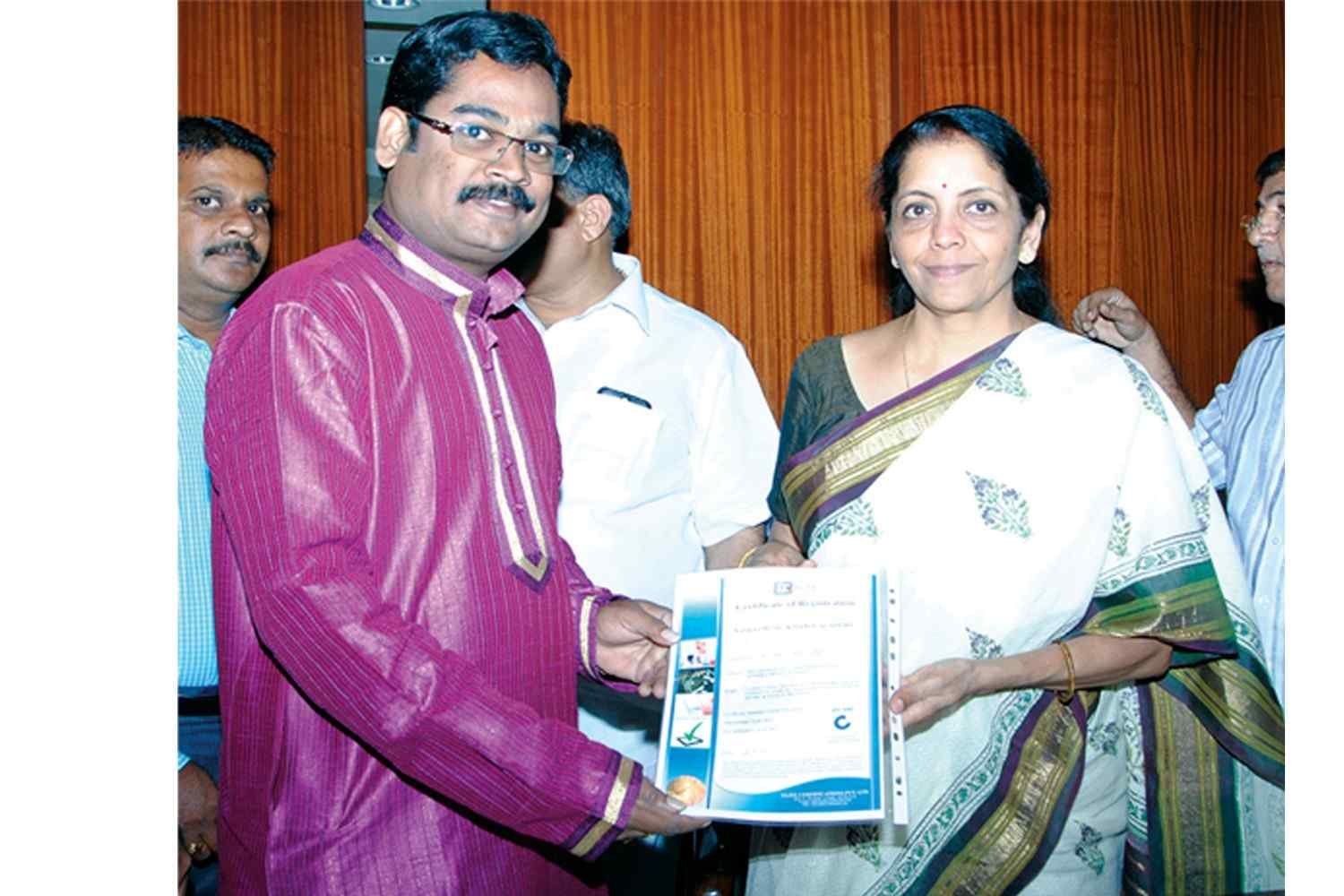
The organisation’s development has included ISO certification and membership of the International Dance Council (CID) at UNESCO, according to its published profile.
The academy’s activities have extended beyond routine instruction to include workshops, competitions, seminars and major dance festivals. Through these activities, knowledge can move between established practitioners and younger students in a more structured environment.
Scholarship Through Cultural Journalism
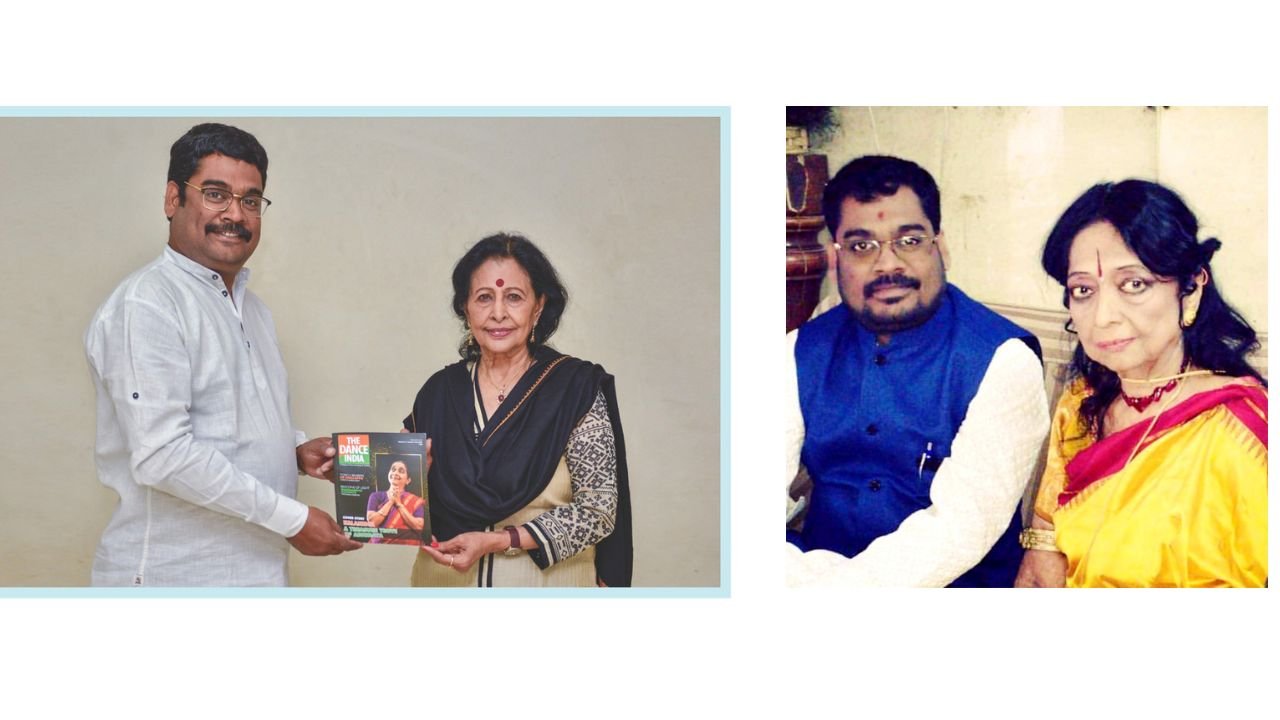
The connection between research and documentation became even more prominent through The Dance India, the English-language cultural magazine associated with Vikram Kumar.
The publication focuses on Indian classical and traditional dance, featuring articles, reviews, profiles and cultural documentation. Official records maintained by the Press Registrar General of India list The Dance India as an English monthly publication registered under the name Bathina Ranga Vikram Kumar.
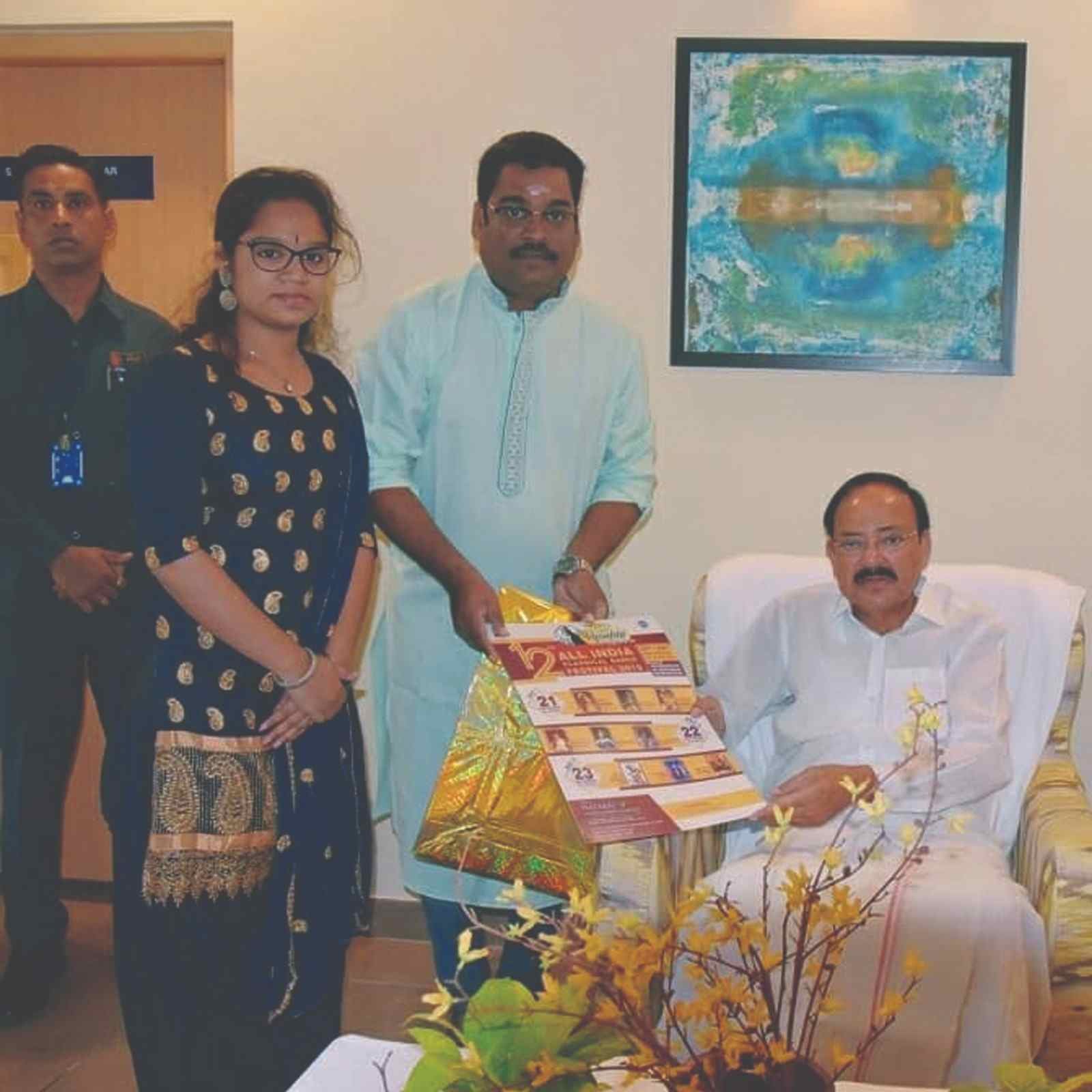
A 2019 issue of the magazine identifies BR Vikram Kumar as Editor and includes contributors and material connected with Indian dance scholarship and performance.
Through this editorial work, Vikram Kumar has expanded his role from performing and organising dance to helping create a written record of India’s performing arts.
Protecting Knowledge for Future Generations
The importance of documentation has increased as traditional Gurukulam-based transmission has changed and digital platforms have become dominant sources of information.
Vikram Kumar’s broader philosophy is that preservation must include not only the performance itself but also the knowledge surrounding it—its repertoire, literature, choreography, music, gurus, practitioners, history and context.
This perspective also explains his advocacy for responsible use of artistic material and greater awareness of copyright and intellectual property rights. When artistic content is reproduced without attribution or context, the identity and contribution of its original creator can be weakened.
At the same time, preservation cannot mean simply locking knowledge away. Students, researchers and genuine practitioners need legitimate access to reliable cultural material.
A Model of the Artist-Scholar
Vikram Kumar B R’s career therefore represents a combination of artistic practice and academic inquiry.
His education in Kuchipudi, research into Siva Thandavam and Saptha Thandavam, theatre qualifications, institutional work through NMDA, festival initiatives and editorial responsibilities through The Dance India all form parts of the same larger objective.
His approach suggests that classical arts can remain relevant when performance is supported by research, documentation and education.
For Vikram Kumar, the role of an artiste does not necessarily end when the curtain falls. It can continue through teaching, writing, organising, researching and creating institutions that allow knowledge to travel from one generation to another.
In that sense, his journey represents the evolving role of the modern Indian classical artiste—not only as a performer of tradition, but also as a researcher, custodian and contributor to the future of that tradition.